In a world where communication transcends spoken words, the American Sign Language (ASL) alphabet offers a gateway to inclusion and accessibility. For newcomers, a clear, step‑by‑step chart can transform uncertainty into confidence. This guide distills the most effective way to navigate the ASL alphabet while avoiding common pitfalls and exploring smarter alternatives for learning.
Why a Dedicated ASL Alphabet Chart Matters
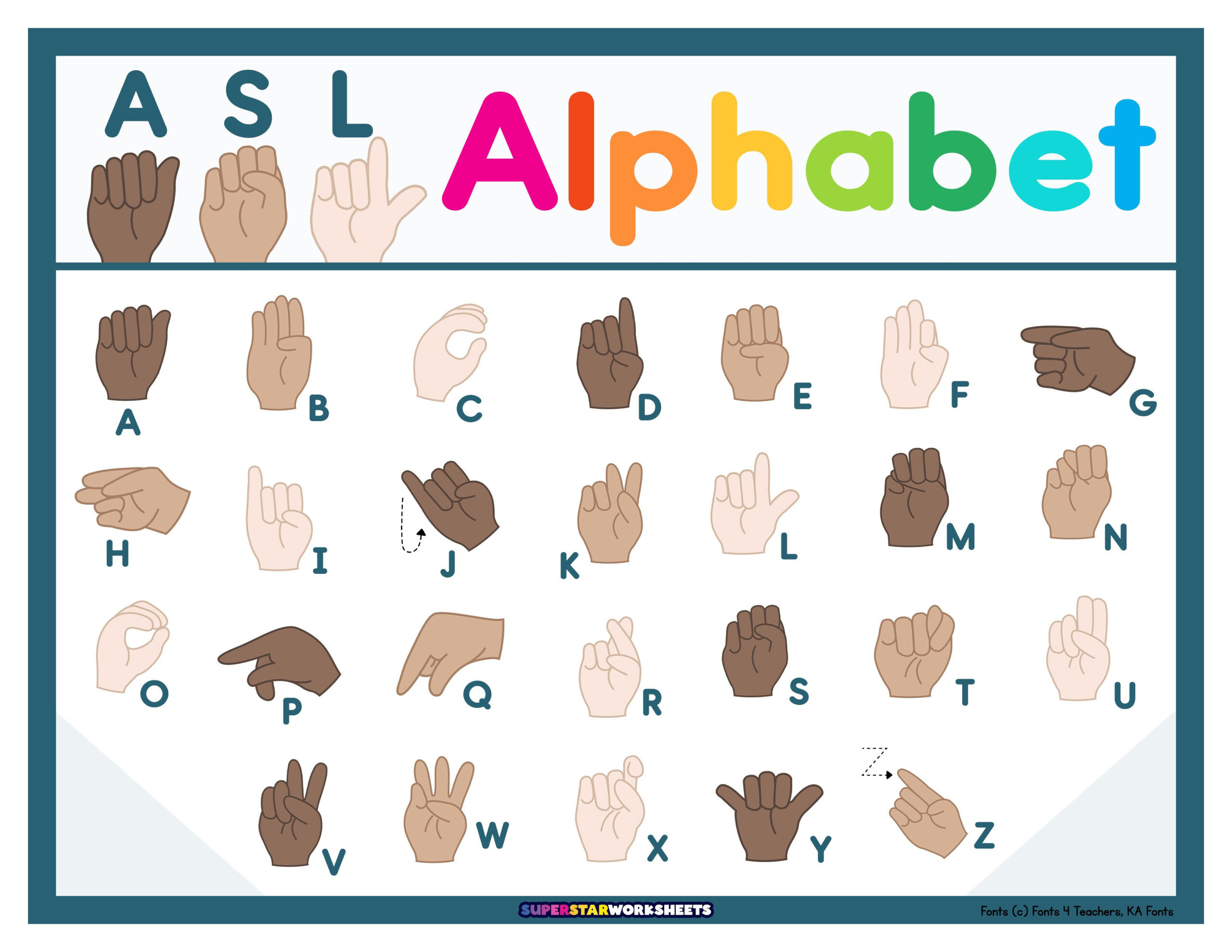
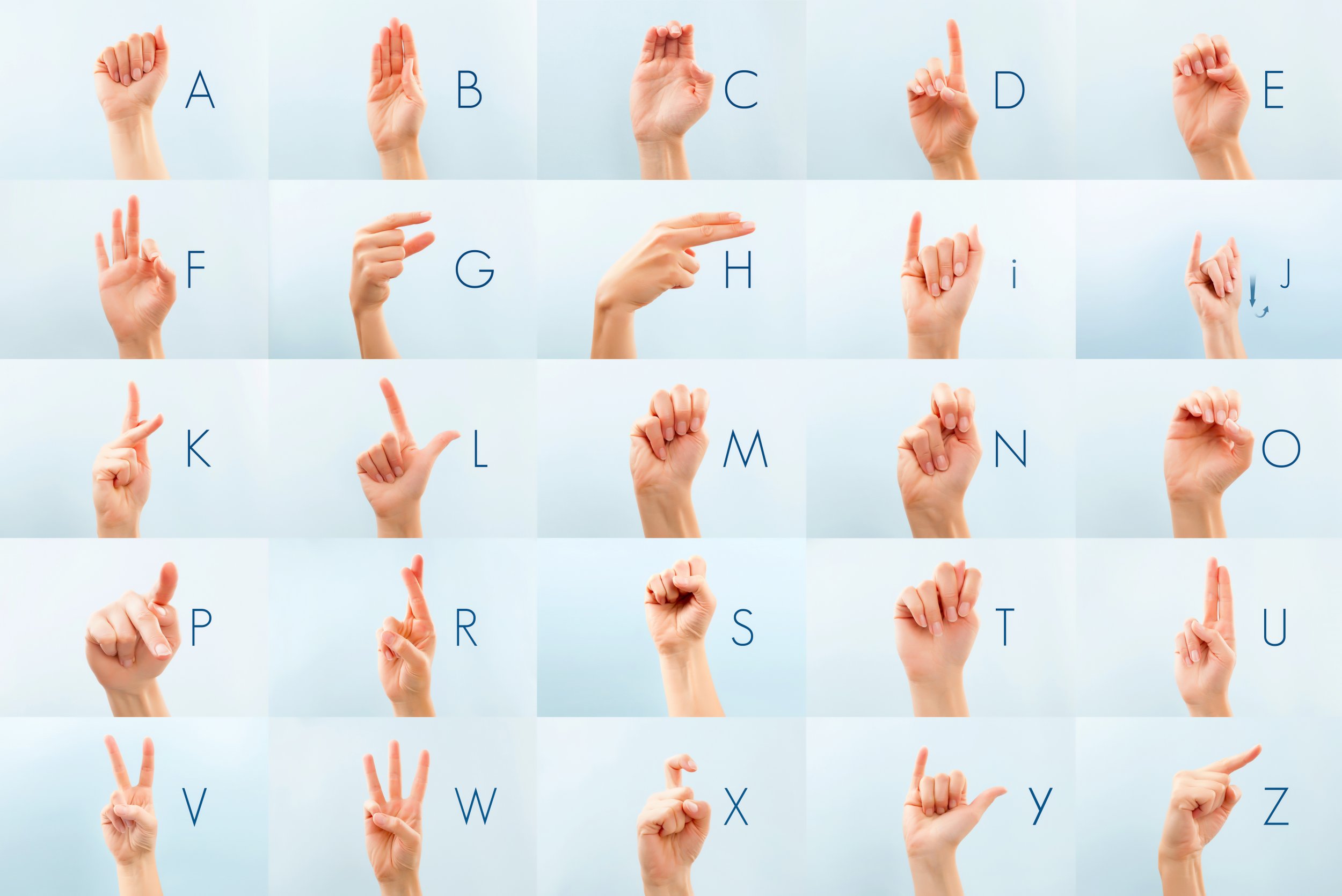
Many learners stumble over the first hurdle: memorizing hand shapes. A well‑designed chart breaks the alphabet into visual blocks that can be referenced on demand. The chart from Gallaudet’s archive provides a clean, scalable view of each letter, while a printable worksheet adds a hands‑on layer that lets users practice in a classroom or at home. These resources are essential because they standardize the reference point and eliminate the guesswork that often plagues casual attempts.

Common Mistakes and How to Avoid Them
- Mixing up mirrored hand shapes. The letters “b” and “p” look similar when viewed from the wrong angle. Always check the orientation by placing the hand in front of a mirror before recording.
- Neglecting thumb placement. Thumb position defines the distinction between “d” and “t” or “f” and “j.” A quick video of each sign can reinforce proper thumb alignment.
- Overlooking the role of fingerspelling speed. Rapid fingerspelling often obscures meaning. Start slow, then incrementally increase pace to match conversational flow.
- Ignoring regional variations. Some communities use alternate handshapes for letters like “z.” A local instructor can clarify which version is most widely accepted in your area.
Smarter Alternatives to Traditional Charts
While static images remain indispensable, they can be complemented by interactive tools that engage multiple senses.
- Mobile Apps with Motion Capture. Several apps use the smartphone camera to track hand movements, giving instant feedback on accuracy.
- Flashcard Sets with Audio Cues. Pair each letter with a spoken word that starts with that letter to reinforce contextual usage.
- Peer‑to‑Peer Signing Sessions. Learning in pairs allows instant correction and encourages practice of letter combinations that form words.
Integrating the Chart into Daily Practice
Turn the chart into a routine by setting a “letter of the day” goal. Write a short sentence using that letter, then fingerspell it. This method mirrors language learning strategies used for acquiring a new spoken language, ensuring retention through repeated exposure.
Printable Chart for Hands‑On Learning
For those who prefer physical interaction, the printable chart offers a tactile experience. It can be cut into individual letter cards, making it easy to shuffle and test memory in a fun, game‑like format.
The Broader Impact of Mastering the Alphabet
Proficiency in the ASL alphabet unlocks deeper communication with the Deaf and hard‑of‑hearing community. It also broadens educational opportunities, as many academic institutions now integrate ASL into their curriculum. Moreover, a strong foundation in hand shapes boosts confidence when moving beyond letters to full sentences and idiomatic expressions.
Next Steps for the Value‑Focused Learner
- Buy a durable, laminated chart for long‑term use. Durability matters when the chart will be handled daily.
- Enroll in a beginner’s class. Hands‑on instruction accelerates skill acquisition and corrects subtle errors early.
- Set up a routine practice schedule. Consistency beats intensity; even fifteen minutes a day can yield noticeable progress.
Whether you’re a parent teaching a child, a corporate trainer looking to diversify your team’s communication skills, or simply someone who wants to broaden their linguistic repertoire, the ASL Alphabet Chart for Beginners is the first stepping stone toward a richer, more inclusive dialogue. By recognizing common mistakes and adopting smarter alternatives, you’ll not only learn to sign letters but also lay the groundwork for effective, expressive communication in American Sign Language.
You In Sign Language, I Love You Sign Language Printable Wall Art Etsy
You In Sign Language, I Love You Sign Language Printable Wall Art Etsy ...
20 Facts About ASL: American Sign Language - Facts.net - All For One
20 Facts About ASL: American Sign Language - Facts.net - All For One
Asl Classroom Sign Posters, Asl Learning For Kids, Sign Language Poster
Asl Classroom Sign Posters, Asl Learning for Kids, Sign Language Poster ...