As tax season descends upon the United States, many individuals and businesses are navigating the complexities of the IRS tax code. One critical component of this process is IRS Schedule D, which plays a significant role in determining an individual's or business's capital gains tax liability. In this article, we will explore the intricacies of completing IRS Schedule D, ensuring that you are well-equipped to tackle this vital tax form.
What is IRS Schedule D?
IRS Schedule D, also known as the Capital Gains and Losses schedule, is a document that reports an individual's or business's capital gains and losses from the sale of investments, real estate, or other assets. It is a crucial component of your tax return, as it determines your capital gains tax liability and can impact your overall tax bill.
Filling Out IRS Schedule D: A Step-by-Step Guide
Completing IRS Schedule D involves several key steps:
- Capital Gains and Losses: Report all capital gains and losses from the sale of investments, real estate, or other assets.
- Cost Basis: List the original cost or other bases of the assets sold, as well as any improvements or enhancements made to the property.
- Rate Gains and Losses: Determine whether you have net capital gains, net capital losses, or neither. This will help you calculate your tax liability.
- Claim Any Losses: If you have net capital losses, you can claim these against any capital gains or other income.
Understanding the Reporting Requirements
It is essential to understand the reporting requirements for IRS Schedule D. You will need to provide detailed information about each asset sold, including:
- Type of Asset: The type of asset sold, such as stocks, bonds, real estate, or other investments.
- Sale Date: The date the asset was sold.
- Cost Basis: The original cost or other bases of the asset, as well as any improvements or enhancements made to the property.
Leveraging IRS Resources
Tips for Filing IRS Schedule D with Precision
While navigating the complexities of IRS Schedule D can be overwhelming, there are resources available to help. The IRS website provides detailed instructions on filling out the form, as well as examples and tutorials. You can also consult a tax professional or certified public accountant (CPA) for personalized guidance throughout the process.
Maximizing Accuracy and Minimizing Risk
To avoid common mistakes and potential penalties, it is essential to accurately complete IRS Schedule D. This includes:
- Double-Checking Figures: Verify the accuracy of all figures and calculations to avoid errors.
- Documenting Transactions: Keep detailed records of all transactions, including receipts, invoices, and bank statements.
- Seeking Professional Guidance: Consult a tax professional or CPA for personalized guidance to ensure compliance with IRS regulations.
Conclusion
Completing IRS Schedule D is a critical component of your tax return, requiring attention to detail and a clear understanding of the tax code. By following the steps outlined in this guide and leveraging IRS resources, you can ensure accuracy, minimize risk, and maximize your financial benefits. Don't hesitate to seek professional guidance if you need help navigating the complexities of IRS Schedule D.
Complete Warrior - Wikipedia

Complete Warrior - Wikipedia
Complete Or Completed:Meaning,Difference And Usage In 2026
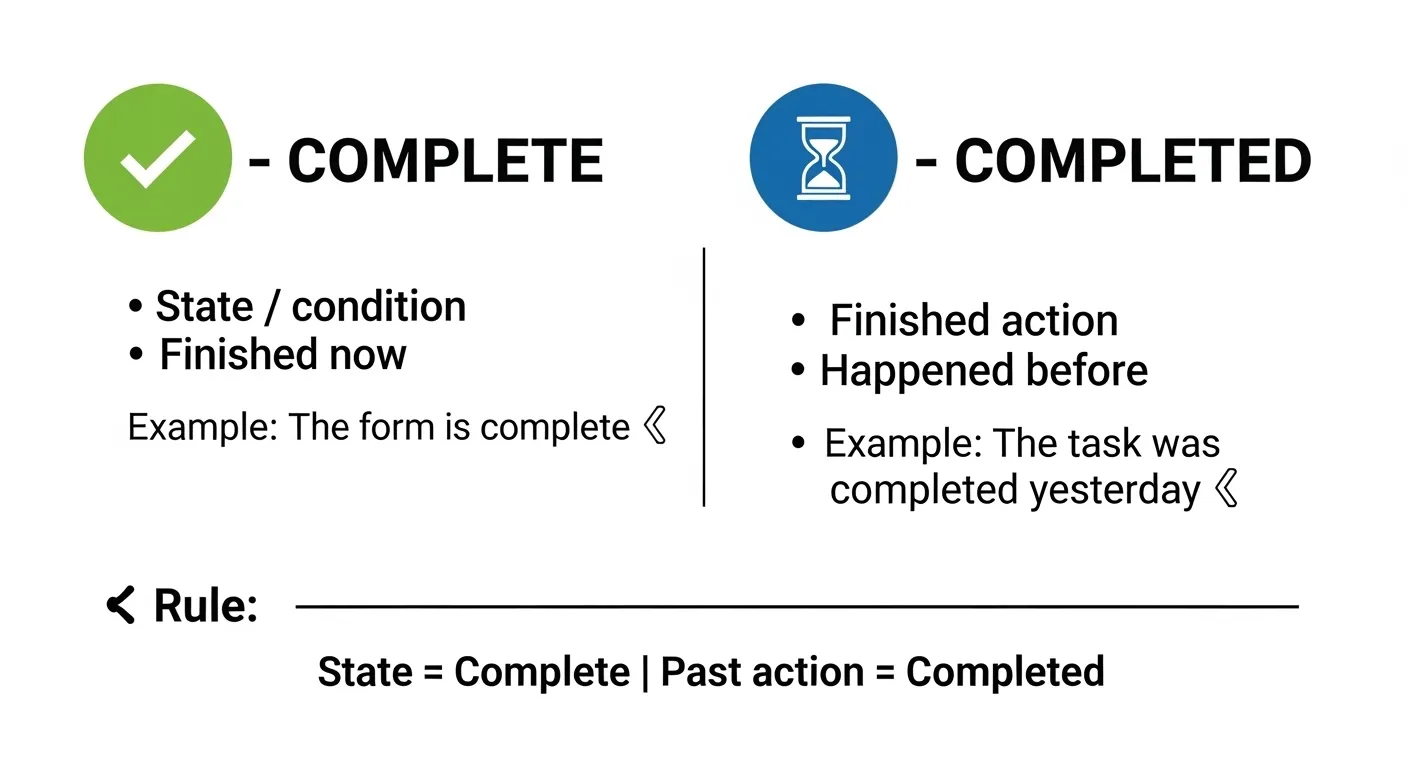
Complete or Completed:Meaning,Difference and Usage in 2026
Do As Infinity :: Do The Complete (3CD+BD) - J-Music Italia

Do As Infinity :: Do The Complete (3CD+BD) - J-Music Italia
The Complete U2 - Wikipedia

The Complete U2 - Wikipedia