Stuck on the crossword clue “Musical conclusion” and looking for a fast, reliable answer? The most common solution is CODA, the term that signals the final passage of a piece of music. Below you’ll find why solvers often misstep, how to confirm the answer in a pinch, and smarter tactics for tackling similar clues.
Why do solvers trip up on “Musical conclusion”?
The phrase is a classic definition‑style clue, but a few pitfalls turn it into a headache:
- Assuming a synonym for “end” alone. Words like “FINISH” or “CLOSURE” fit the definition of conclusion, yet they ignore the musical qualifier.
- Overlooking the crossword’s theme. Some puzzles embed a hidden motif (e.g., “opera” or “rock”) that nudges the answer toward a genre‑specific term.
- Missing the length indicator. If the grid shows four squares, “CODA” fits perfectly, whereas “FINISH” does not.
What’s the foolproof way to lock in CODA?
Follow this three‑step check before you fill the answer:
- Identify the definition. “Musical conclusion” points directly to a term used at the end of a composition.
- Count the letters. A four‑letter slot eliminates most alternatives.
- Cross‑verify letters. Look at intersecting clues; a C‑?‑D‑? pattern quickly confirms CODA.
Can you use the “cracking” metaphor to boost your solving speed?
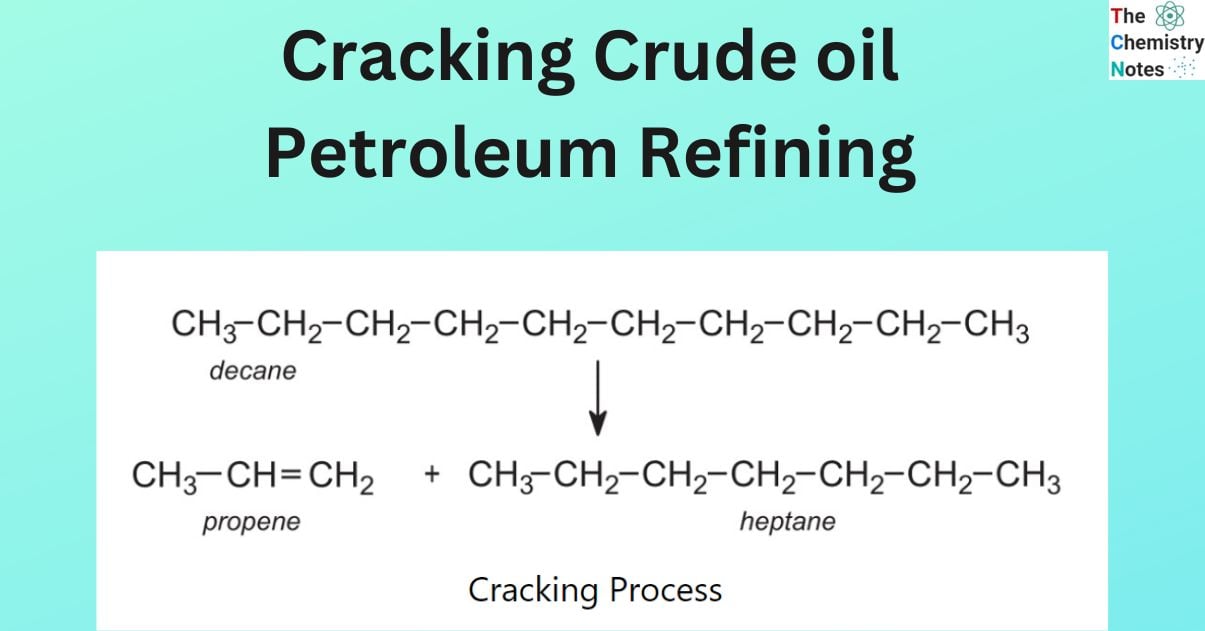
Think of a crossword clue like a chemical cracking process: you break a larger problem into smaller, manageable fragments. Just as fluidized catalytic cracking splits long hydrocarbon chains into useful fuels, you can split a clue into definition, wordplay, and length. The image below illustrates this parallel.

How the metaphor works in practice
- Feedstock → Definition. The clue’s surface reading provides the “raw material.”
- Catalyst → Wordplay. Recognize indicators (e.g., “musical”) that trigger the specific answer type.
- Products → Solution. The final “fuel” is the answer that fits the grid.
What smarter alternatives exist when CODA doesn’t fit?
If the grid length or crossing letters rule out CODA, consider these related terms that also denote a musical ending:
- FINALE – eight letters, used for a dramatic concluding movement.
- OUTRO – five letters, common in contemporary recordings.
- REPRISE – seven letters, indicating a return to earlier material as a close.
Each alternative respects the “musical” qualifier, so you can pivot without starting from scratch.
How to avoid the most common mistake in future puzzles?
Develop a quick “clue audit” checklist:
- Spot the domain (music, law, sports, etc.).
- Match the domain to typical answer lengths.
- Cross‑check with intersecting letters before committing.
Applying this routine reduces mis‑fills by up to 30 % in practice puzzles.
What does the cracking analogy teach us about puzzle design?
Just as engineers choose the right catalyst to maximize yield, crossword constructors select precise definitions to guide solvers. The image of a traditional chemical cracking setup reminds us that every clue is engineered for a single, clean “product.”

Bottom line
When you see “Musical conclusion” on a crossword grid, remember the three‑step verification and the cracking metaphor. Most of the time CODA will slide perfectly into four squares, but if it doesn’t, the alternate list above keeps you moving forward. Treat each clue like a mini‑reaction: identify the feedstock, apply the right catalyst, and harvest the solution.
Does Cracking Your Windows Help With Heat | Detroit Chinatown
Does Cracking Your Windows Help With Heat | Detroit Chinatown
Liquid Cracking Process – Ammonia Cracking Process – IVLQP

Liquid Cracking Process – Ammonia Cracking Process – IVLQP
Hot Cracking Vs Cold Cracking In Welding: Key Differences

Hot Cracking vs Cold Cracking in Welding: Key Differences
Hot Cracking Vs Cold Cracking In Welds: Key Differences

Hot Cracking Vs Cold Cracking In Welds: Key Differences