Understanding the intricacies of university academic scheduling is crucial for students, faculty, and administrators alike. The University of Georgia (UGA) is no exception, with its unique scheduling approach sparking curiosity and discussion among those invested in higher education. In this article, we'll delve into Things You Never Knew About UGA's Academic Scheduling, exploring the context, details, and implications of this approach.
Introduction to UGA's Academic Scheduling
UGA's academic scheduling is designed to promote flexibility, interdisciplinary collaboration, and a deeper understanding of complex subject matter. Unlike traditional semester-based models, UGA's approach combines elements of trimesters, quarters, and semesters to create a hybrid system. This allows students to take a more holistic view of their curriculum and engage with course material in a more integrated manner.

The Benefits of UGA's Academic Scheduling
The hybrid model employed by UGA has numerous benefits. Firstly, it allows students to take electives and experiential learning courses within close proximity to their core courses, fostering a seamless integration of theoretical and practical knowledge. Secondly, the flexible scheduling enables students to focus on their academic and personal pursuits without being constrained by traditional semester boundaries. Finally, the approach encourages faculty to design more comprehensive and cohesive course curricula, leading to a more engaging and effective learning experience.
Challenges and Opportunities
While UGA's academic scheduling has its advantages, it also presents challenges. One of the main concerns is the potential for confusion among students and faculty alike, particularly in the first year of implementation. Moreover, the hybrid model requires substantial coordination and planning among departments and academic units, which can be a logistical challenge. However, these challenges also present opportunities for innovation and growth, as UGA continues to refine its approach and adapt to the evolving needs of its students, faculty, and staff.
Real-World Applications and Future Directions
UGA's academic scheduling has significant implications for higher education institutions across the country. As colleges and universities strive to stay competitive in an increasingly complex and rapidly changing academic landscape, UGA's hybrid model offers a valuable example of innovative scheduling. By embracing flexibility, collaboration, and integration, UGA is pushing the boundaries of what is possible in academic scheduling, paving the way for future improvements and enhancements.
Conclusion
UGA's academic scheduling is a thought-provoking case study in innovation and adaptation. By combining elements of different scheduling models, UGA has created a unique approach that promotes flexibility, interdisciplinary collaboration, and a deeper understanding of complex subject matter. As the academic landscape continues to evolve, institutions can draw inspiration from UGA's experiences, exploring new and creative solutions to meet the needs of their students, faculty, and staff.
PPT - Chapter 1 PowerPoint Presentation, Free Download - ID:269978
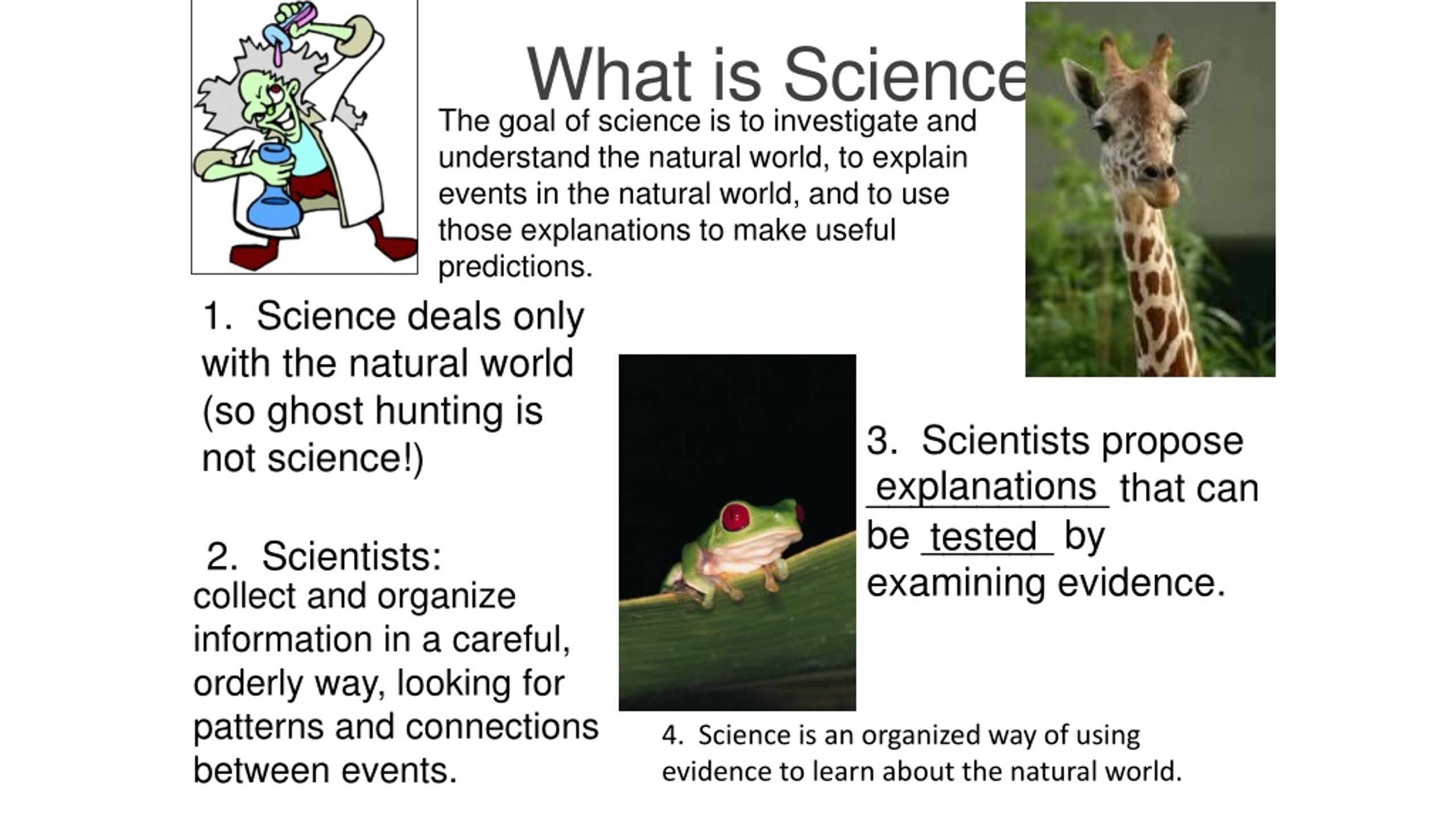
PPT - Chapter 1 PowerPoint Presentation, free download - ID:269978
Scientific Concept: Khám Phá Khái Niệm Khoa Học Quan Trọng Trong Vật Lý
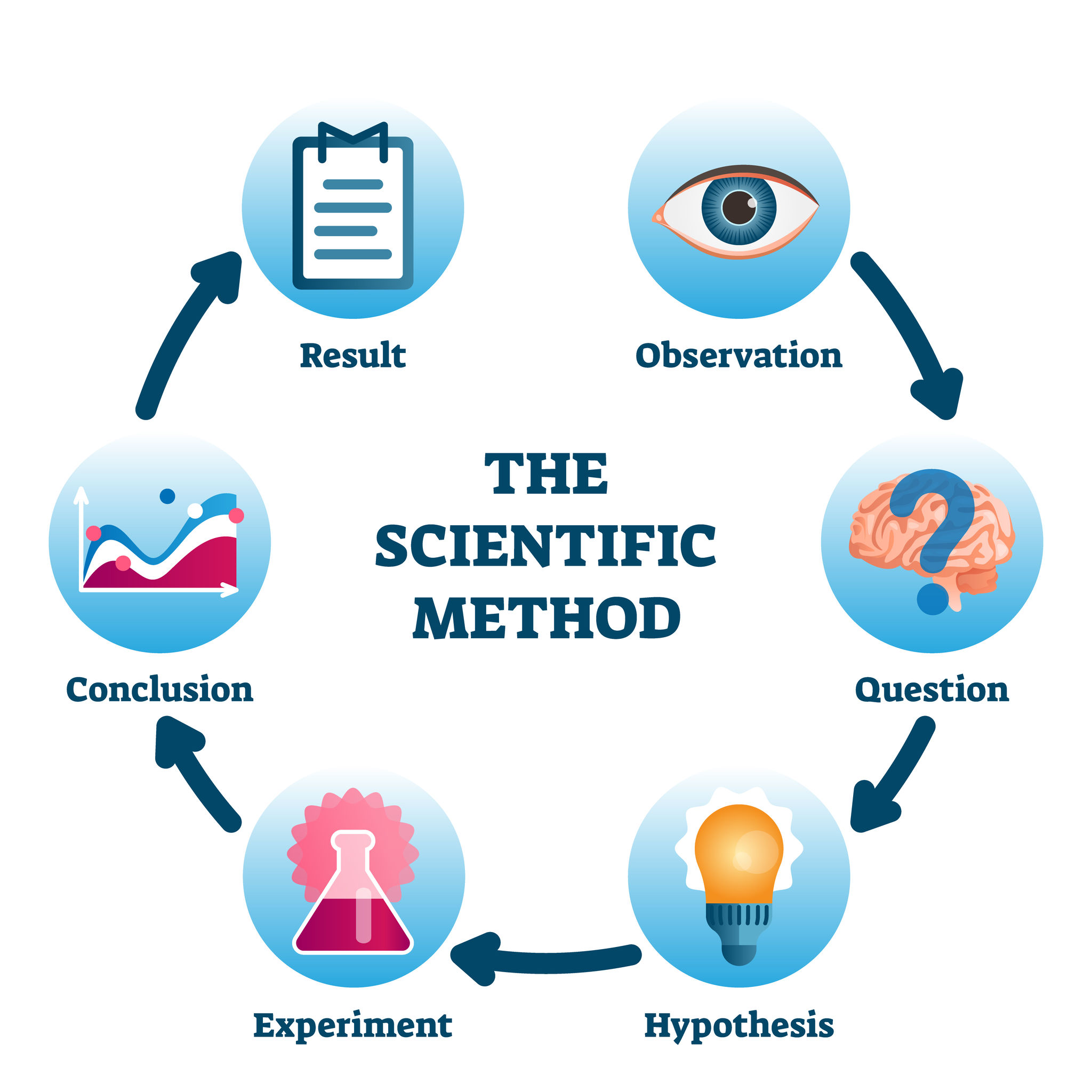
Scientific Concept: Khám Phá Khái Niệm Khoa Học Quan Trọng Trong Vật Lý ...
Chalk And Slate: What Is Science?

Chalk and Slate: What is Science?
PPT - What Is Science? PowerPoint Presentation, Free Download - ID:2765505

PPT - What is Science? PowerPoint Presentation, free download - ID:2765505