As creative professionals, it can be tempting to push the limits of a template to create something truly unique. However, when it comes to disguising a turkey template, careful consideration is key. With so many variables at play, it's easy to make mistakes that can compromise the overall design or worse – alienate the audience. In this article, we'll explore the top 5 things to avoid when customizing a turkey template, and how to do it effectively.
Choosing the Wrong Color Scheme
The turkey template's default color palette may not be the most aesthetically pleasing, but trying to drastically alter it can lead to an unflattering mashup. A bold, yet harmonious color scheme is vital to disguise a turkey template effectively. The safest approach is to identify the underlying palette of the template and tweak it slightly. For instance, you could introduce a secondary color that complements the existing hue. When opting for an entirely new color scheme, make sure it aligns with the target audience's preferences and does not come across as garish.
Color Scheme Selection Criteria:
- Stay true to the template's underlying palette, making adjustments as needed.
- Introduce a secondary color that complements the existing hue.
- Avoid drastic color changes, opting for subtle variations instead.
Ignoring Typography and Font Size
Typography is a crucial aspect of any design, and a turkey template is no exception. Neglecting typography and font size can lead to an inconsistent, hard-to-read layout. To disguise a turkey template, ensure that the typography is visually appealing and well-structured. Choose a clear, readable font that complements the content. When it comes to font size, strike a balance between legibility and visual hierarchy. Avoid using overly large fonts that can make the page appear cluttered.
Typography Selection Criteria:
- Choose a clear, readable font that complements the content.
- Avoid using overly large fonts that can make the page appear cluttered.
- Strike a balance between legibility and visual hierarchy.
Not Customizing the Imagery
Ignoring the Importance of Imagery
Using a turkey template's default imagery can make the design appear unoriginal and uninspired. Not customizing the imagery can also lead to a mismatched tone and overall aesthetic.
To disguise a turkey template, it's crucial to select imagery that complements the content and overall tone. This can be achieved by either using high-quality stock photos or creating custom illustrations that align with the design's purpose. Always ensure the chosen imagery is visually appealing, diverse, and inclusive.
Imagery Selection Criteria:
- Select imagery that complements the content and overall tone.
- Choose high-quality stock photos or create custom illustrations.
- Avoid using images that are low-resolution, outdated, or culturally insensitive.
Overcomplicating the Design
A turkey template should be used as a starting point, not a basis for overhauling the design. Overcomplicating the layout can lead to a cluttered, hard-to-navigate page that fails to communicate the message effectively.
When disguising a turkey template, keep the design simple and intuitive. Focus on creating a clean, visually appealing layout that directs the user's attention to the main content. Avoid overwhelming the reader with excessive graphics, images, or animations that can slow down the page's loading time.
Design Simplification Criteria:
- Avoid overwhelming the reader with excessive graphics or images.
- Keep the design simple and intuitive, focusing on clean lines and clear typography.
- Ensure the page loads quickly, without slowing down due to excessive elements.
Not Testing the Design
Disguising a turkey template requires careful iteration and testing to ensure that the design meets its intended purpose. Not testing the design can lead to a disappointing experience, causing the audience to lose interest or even abandon the page altogether.
To disguise a turkey template effectively, prioritize testing and iteration. Gather feedback from a diverse group of users and make adjustments accordingly. Analyze the data, identifying areas that require improvement, and implement necessary changes to create a polished, engaging experience.
Testing and Iteration Criteria:
- Gather feedback from a diverse group of users.
- Make adjustments based on user feedback, ensuring the design meets its intended purpose.
- Analyze data to identify areas requiring improvement, and implement necessary changes.
In conclusion, disguising a turkey template requires careful consideration of several key factors, including the color scheme, typography, imagery, design simplification, and testing. By following these guidelines and prioritizing iteration, you can create a design that is both effective and visually appealing, engaging your audience and achieving your desired goals.
Women Organic Rib Tank Top - Petrol Blue – Colorful Standard

Women Organic Rib Tank Top - Petrol Blue – Colorful Standard
Black Halter Crop Top
Black Halter Crop Top
Deep V Crop Top - Etsy
Deep V Crop Top - Etsy
Jordan Sport Women's Crop Top. Nike IE
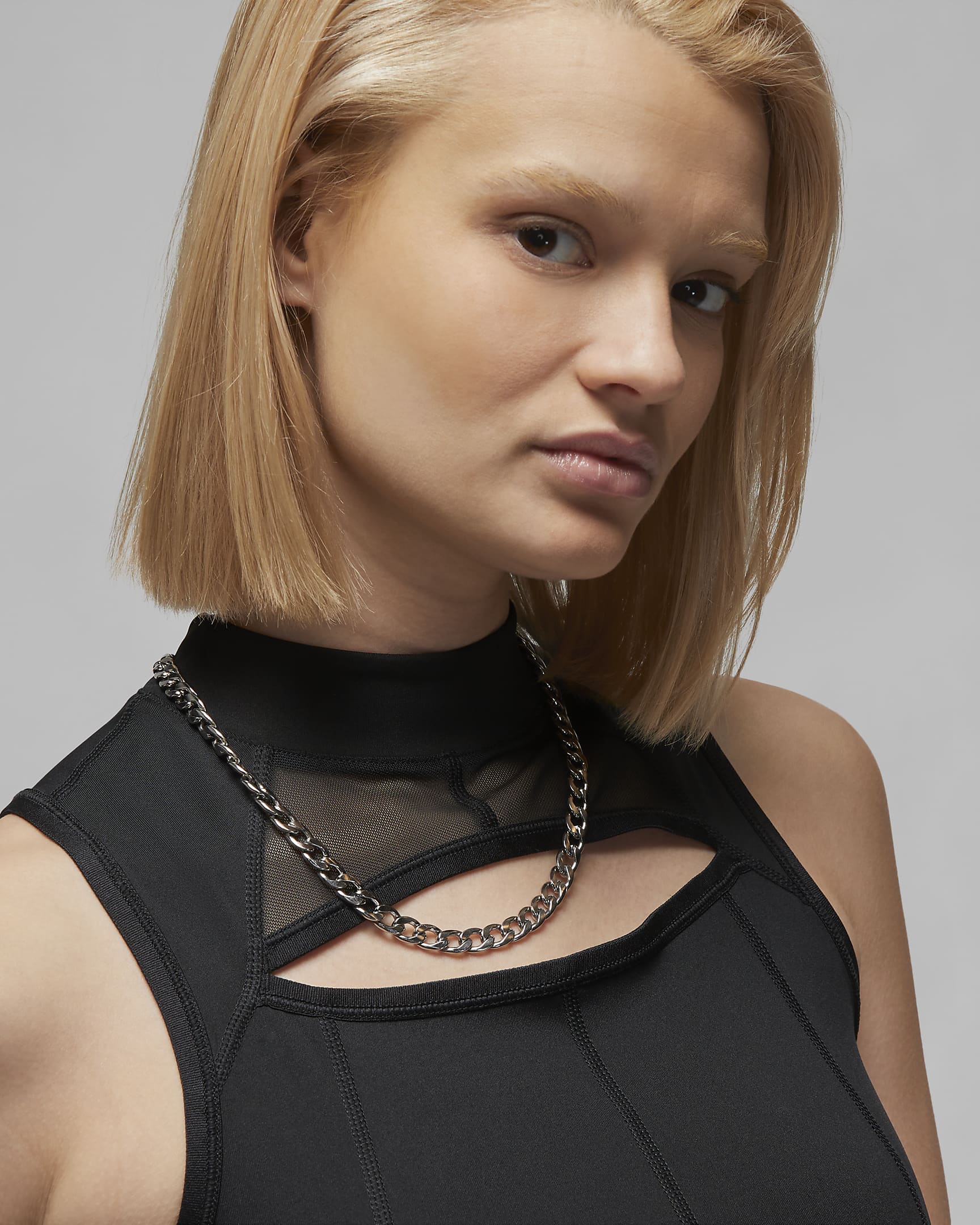
Jordan Sport Women's Crop Top. Nike IE