As a popular stargazing destination, Puerto Rico has a thriving community of astronomy enthusiasts who marvel at the night sky and explore the mysteries of the universe. However, the moon's cycles have a profound impact on the island's stargazing experience, affecting visibility, accessibility, and overall enjoyment. In this article, we'll delve into the world of moon phases and their impact on Puerto Rico's stargazing community.
Understanding Moon Phases
The moon goes through eight distinct phases as it orbits the Earth, each lasting approximately three days. These phases are influenced by lunar illumination, or the amount of sunlight reflecting off the moon's surface. The phases include new moon, waxing crescent, first quarter, waxing gibbous, full moon, waning gibbous, last quarter, and waning crescent.
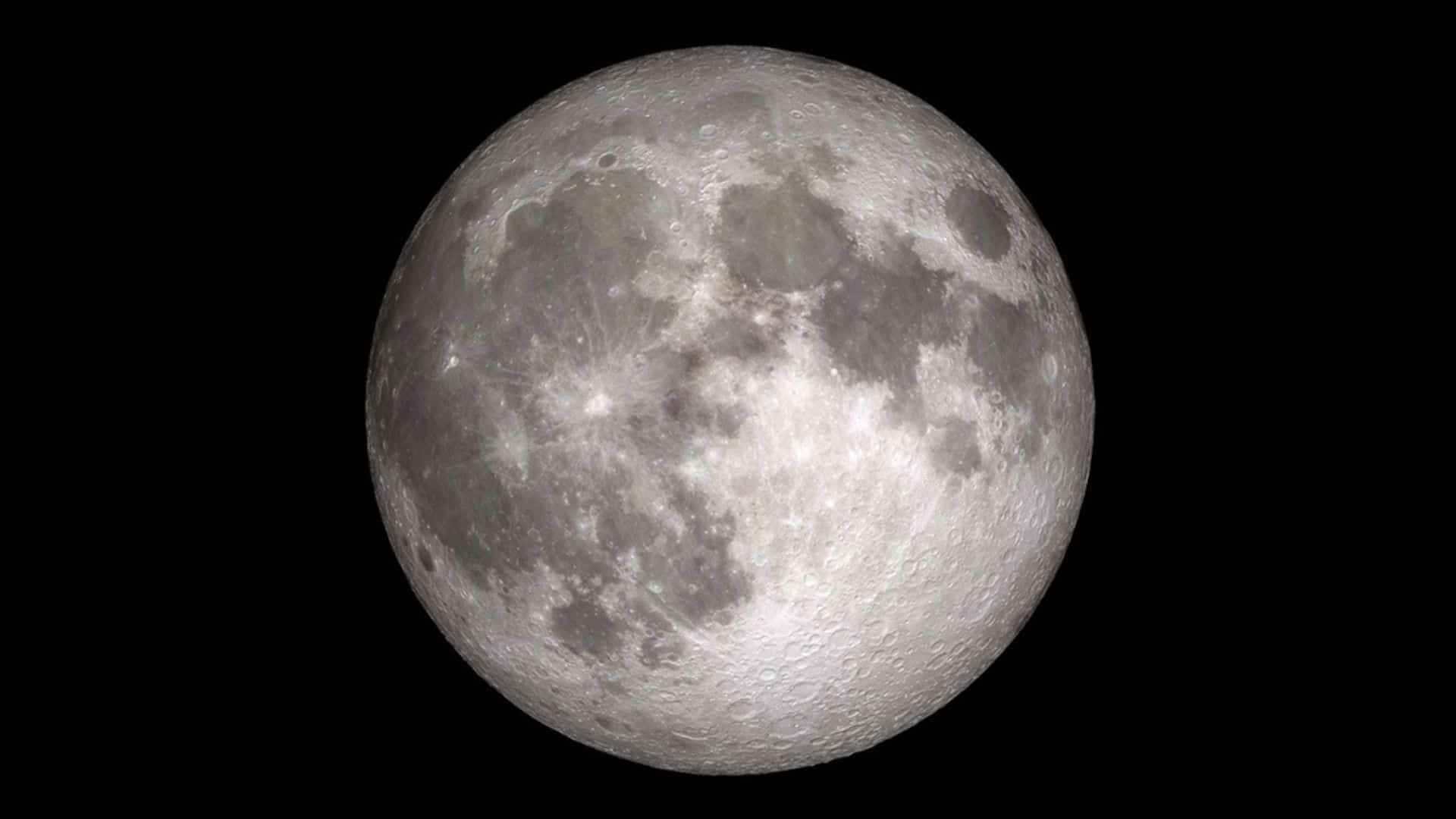
The full moon, in particular, has a significant impact on stargazing in Puerto Rico. With the sun's illumination covering the entire face of the moon, the night sky can become overpowered by the moon's intense brightness, making it difficult to spot other celestial objects.
Lunar Cycles and Stargazing Opportunities
- New Moon and Planetary Observations: During the new moon phase, the lack of lunar illumination allows stargazers to focus on planetary observations. With the moon out of the way, observers can see Jupiter, Saturn, and other gas giants in all their glory.
- Waxing Phases and Asteroid Hunting: As the moon waxes, astronomers can take advantage of the increasing light to spot asteroids and comets that are not visible during the new moon phase.
- Full Moon and Lunar Observations: The full moon is a perfect time for lunar observation, allowing stargazers to study the moon's surface features, craters, and geological formations in exquisite detail.
Best Times for Stargazing in Puerto Rico
Considering the moon's cycles, the best times for stargazing in Puerto Rico are during the new moon and crescent phases. These periods offer the best balance between lunar illumination and celestial visibility, allowing stargazers to explore the night sky with minimal interference.
Conclusion
Moon phases have a profound impact on Puerto Rico's stargazing community, affecting visibility, accessibility, and overall enjoyment. By understanding the lunar cycle and planning stargazing activities accordingly, astronomers can make the most of their observations and explore the wonders of the universe. Whether you're an experienced stargazer or just starting to explore the night sky, consider the moon's phases when planning your next stargazing adventure on the island.
Moon Phase On January 19, 2026
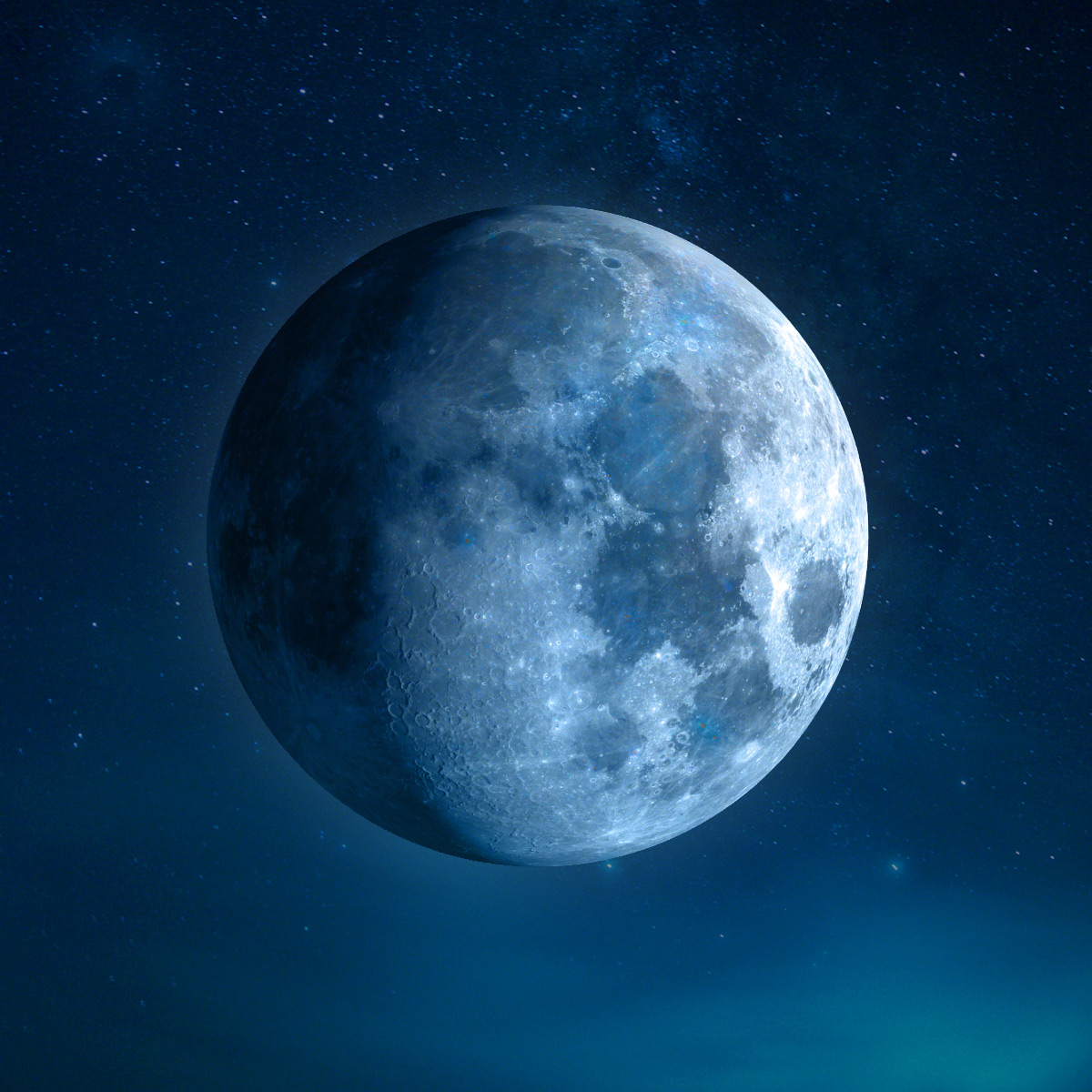
Moon Phase on January 19, 2026
NASA Artemis II And Why Conspiracy Theorists Say Moon Landing Was Fake

NASA Artemis II and why conspiracy theorists say moon landing was fake
4K Ultra HD Moonlit Nature Glow
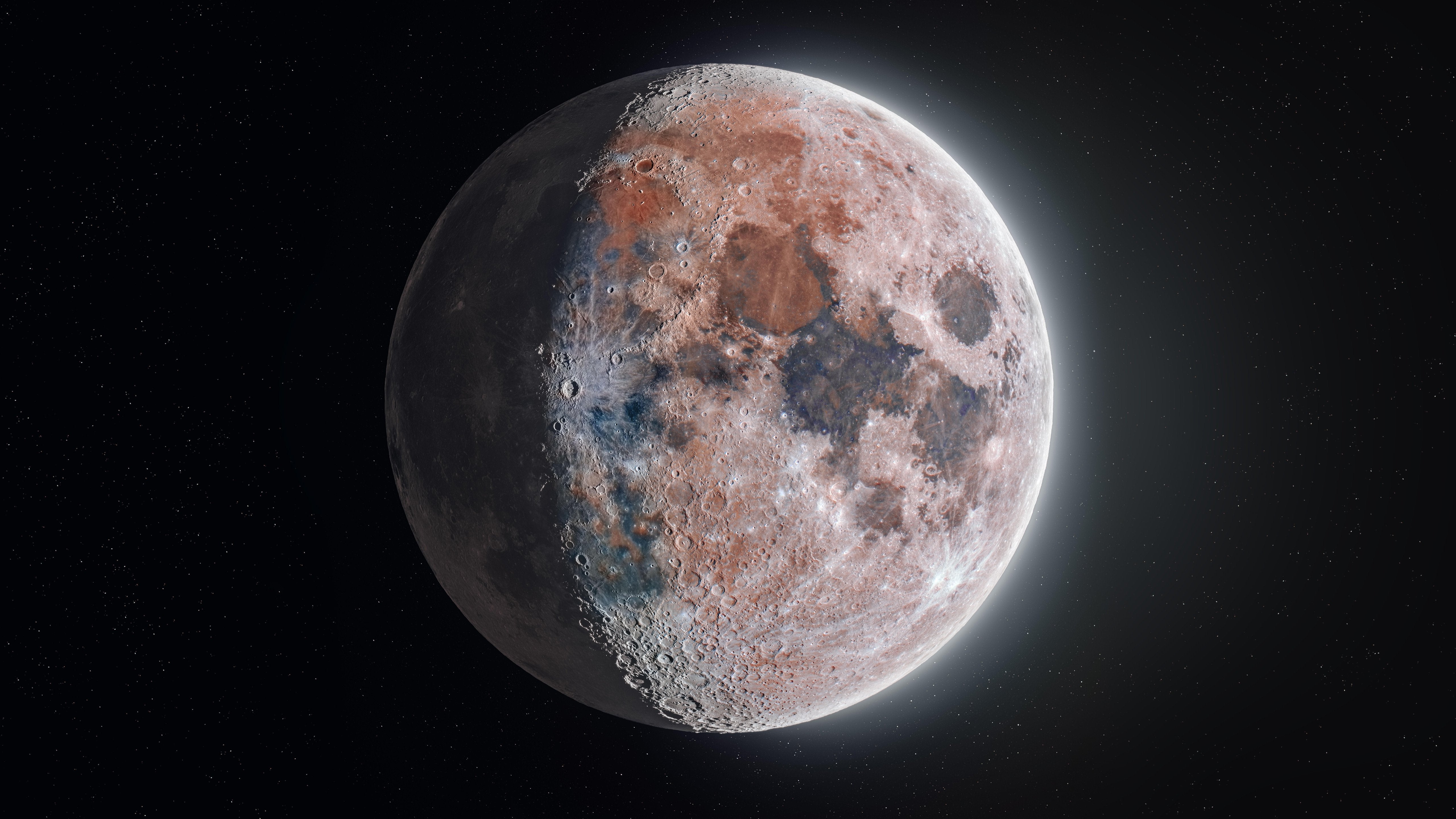
4K Ultra HD Moonlit Nature Glow
Two Astrophotographers Make Insanely Detailed Moon Shot

Two astrophotographers make insanely detailed moon shot