Couples eager to know the sex of their unborn child often weigh an age‑old lunar‑calendar chart against today’s ultrasound and DNA tests. While the Chinese Calendar Gender Prediction offers a romantic, folklore‑rich narrative, modern medicine provides quantifiable accuracy. Understanding both approaches helps expectant parents decide which, if either, fits their timeline, budget, and peace‑of‑mind.
Decoding the Lunar Calendar Method
The Chinese gender‑prediction chart, sometimes called the “Chinese lunar calendar,” pairs the mother’s lunar birth year with the month of conception. The resulting grid yields a “male” or “female” symbol, a tradition that dates back to the Qing dynasty. Proponents claim the method reflects ancient observations of seasonal influences on fetal development.

Because the chart relies on lunar months, users must first convert Gregorian dates to the Chinese lunar calendar—a step that can introduce conversion errors. Moreover, the method offers no statistical backing; its predictions are essentially a 50/50 guess, similar to flipping a coin.
Modern Medicine’s Evidence‑Based Tools
Contemporary obstetrics provides two primary avenues for gender determination: ultrasound imaging and non‑invasive prenatal testing (NIPT). High‑resolution ultrasounds performed after 18 weeks can reveal genital anatomy with roughly 95 % accuracy, though fetal position can still obscure results. NIPT, a blood test that analyzes fetal DNA fragments, can identify sex chromosomes as early as 10 weeks with accuracy exceeding 99 %.
Both methods are regulated, documented, and supported by peer‑reviewed studies. Insurance coverage varies, but many plans reimburse NIPT when medically indicated, while elective gender testing may incur out‑of‑pocket costs.
Why Some Parents Still Turn to the Calendar
Beyond curiosity, cultural identity often fuels the calendar’s appeal. In families where the tradition spans generations, the ritual of consulting the chart becomes a bonding experience, sometimes accompanied by celebrations or specific dietary recommendations believed to sway outcomes.
Cost is another factor. The lunar chart is free, while an ultrasound or NIPT can run from $150 to $1,200 depending on location and provider. For couples on a tight budget or those living in regions with limited medical access, the chart offers an inexpensive, albeit uncertain, alternative.
Balancing Hope with Reality
When choosing between folklore and science, consider the following criteria:
- Accuracy needs: If a reliable answer is essential for planning (e.g., preparing a gender‑specific nursery), modern tests are the prudent choice.
- Timing: NIPT can be done early in the first trimester, whereas the calendar offers a prediction at conception.
- Emotional impact: A false positive from the calendar can cause disappointment; a medically confirmed result, even if unexpected, is less likely to be disputed.
- Financial constraints: Weigh the cost of medical testing against the value of certainty.
Practical Guidance for Expectant Couples
1. Start with the facts. Review the accuracy rates of ultrasound and NIPT before deciding.
2. Use the calendar as a cultural touchstone, not a diagnostic tool. If you enjoy the tradition, incorporate it into a celebration without relying on it for critical decisions.
3. Consult your healthcare provider. Discuss any desire for early gender knowledge; they can advise on timing, cost, and any insurance coverage.
4. Plan for flexibility. Whether the prediction aligns with medical results or not, keep the focus on the health of both mother and baby.
Bottom Line
The Chinese Calendar Gender Prediction remains a beloved cultural practice that offers a whimsical glimpse into ancient beliefs. Modern medicine, however, delivers quantifiable, early, and highly accurate gender information. By evaluating personal values, budget, and the need for certainty, couples can choose the path that best supports their journey toward parenthood.
Chinese Alphabet: Chinese Letters, Symbols & Pinyin Guide
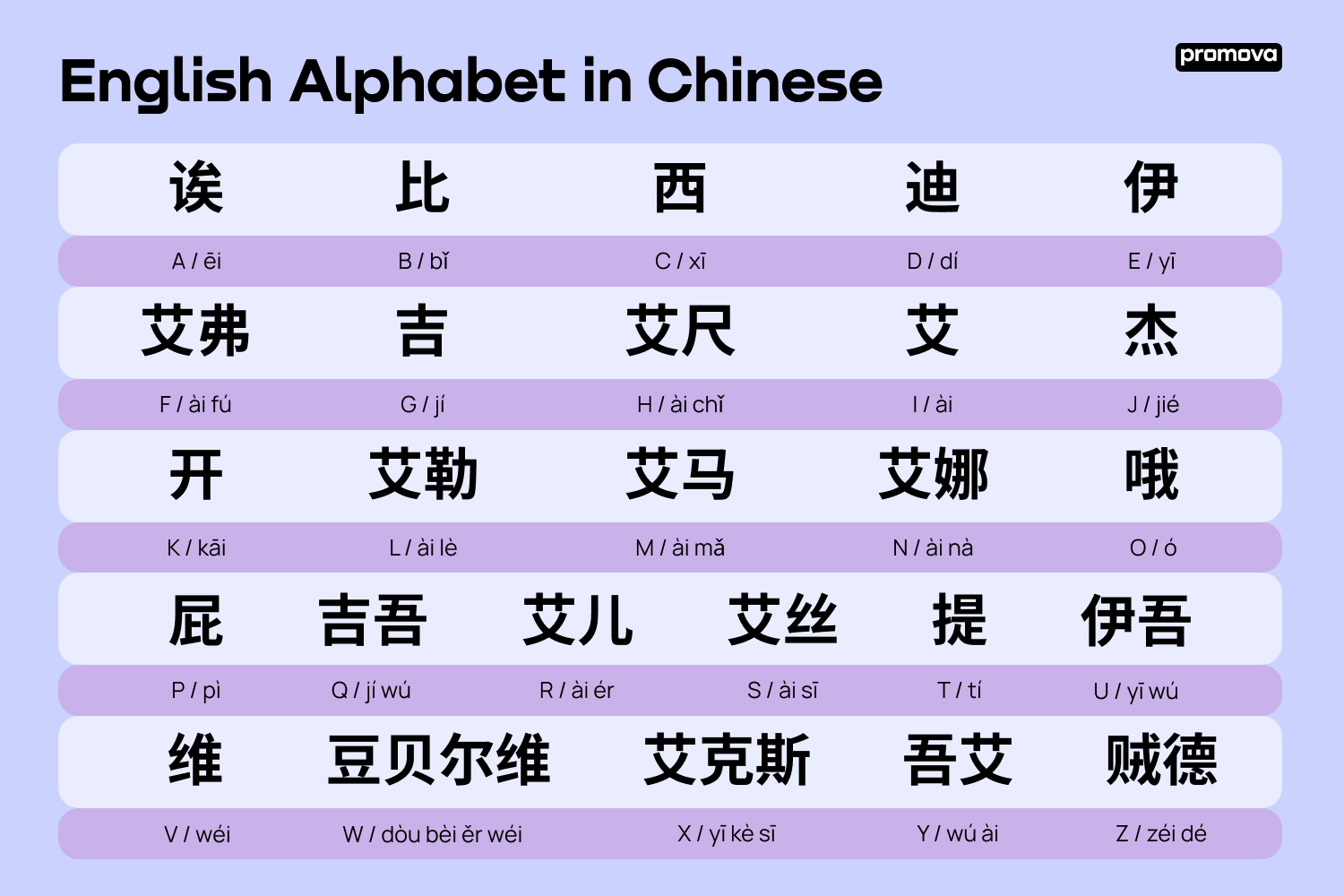
Chinese Alphabet: Chinese Letters, Symbols & Pinyin Guide
Common Chinese Character Poster Closeup | Chinese Language, Chinese

common chinese character poster closeup | Chinese language, Chinese ...
How Many Letters In The Chinese Alphabet? - Quran Mualim 2026
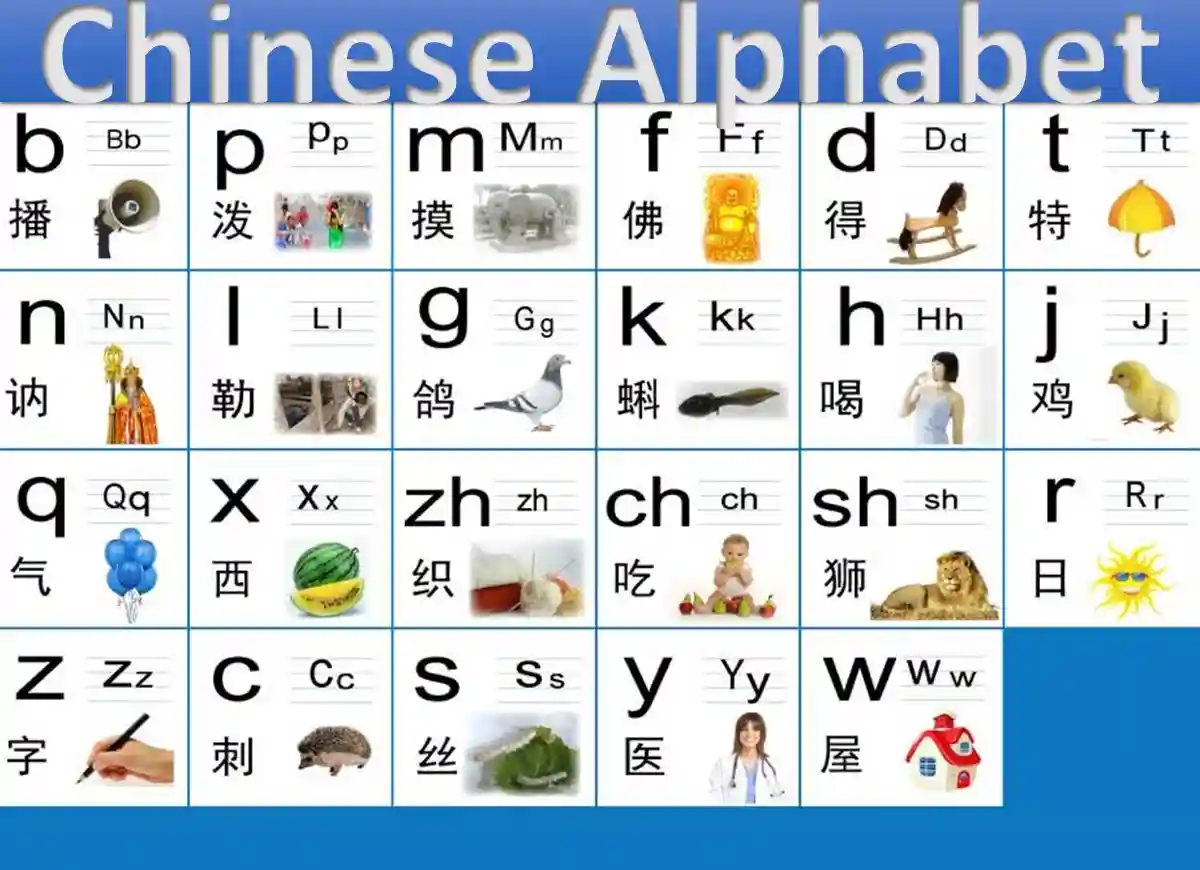
How Many Letters in The Chinese Alphabet? - Quran Mualim 2026
Chinese Alphabet Translator Vector Chinese Characters Calligraphy

Chinese Alphabet Translator Vector Chinese Characters Calligraphy