Designing a logo quiz print that actually engages audiences requires more than just a collection of logos. It’s about understanding how visual memory, cognitive load, and interactive elements work together to create a memorable and effective experience. The key lies in balancing complexity with simplicity, ensuring the quiz is both challenging and rewarding—without overwhelming the participant.
Why Visual Memory Matters in Logo Quiz Design
Logos are designed to be memorable, but that doesn’t mean they’re easy to recognize in a quiz format. The human brain processes visual information through the visual cortex, but recalling logos from memory requires an additional layer of cognitive effort. A well-designed quiz should account for this by:
- Using familiar brands—logos from well-known companies reduce the cognitive load, allowing participants to focus on the quiz mechanics.
- Varying difficulty levels—mixing recognizable logos with slightly less obvious ones keeps engagement high without frustration.
- Including visual cues—hints like color schemes or taglines can help jog memories without giving away the answer.
How Cognitive Load Affects Engagement
Cognitive load—the mental effort required to process information—can make or break a logo quiz. Too much complexity leads to frustration, while too little makes the quiz feel too easy. The sweet spot is found in:
- Moderate difficulty curves—starting with straightforward logos and gradually increasing complexity.
- Clear feedback mechanisms—immediate confirmation of correct answers keeps participants motivated.
- Interactive elements—features like timers or scoring systems add urgency and replay value.
Interactive Elements That Boost Engagement
Static logo quizzes can feel like a chore, but adding interactive elements transforms them into engaging experiences. Consider:
- Gamified scoring—rewarding correct answers with points or badges encourages competition.
- Progress tracking—visual indicators like progress bars show participants how far they’ve come.
- Social sharing options—letting users share scores or achievements creates a sense of community.
Testing and Iteration: The Key to Success
No design is perfect on the first try. A/B testing different layouts, difficulty levels, and interactive features helps refine the quiz. Pay attention to:
- Completion rates—if participants drop off early, simplify the design or adjust the difficulty.
- Time spent per question—longer pauses may indicate confusion or frustration.
- Feedback from users—direct input can reveal what’s working and what’s not.
Ultimately, the best logo quiz print design balances visual appeal with cognitive psychology, turning a simple activity into a fun and rewarding challenge. By focusing on memory, load, and interactivity, you can create a quiz that keeps participants coming back for more.
Download Science Picture | Wallpapers.com

Download Science Picture | Wallpapers.com
Chemical Lab Clipart

Chemical Lab Clipart
Science Clip Art Images
Science Clip Art Images
Science Subject Logo
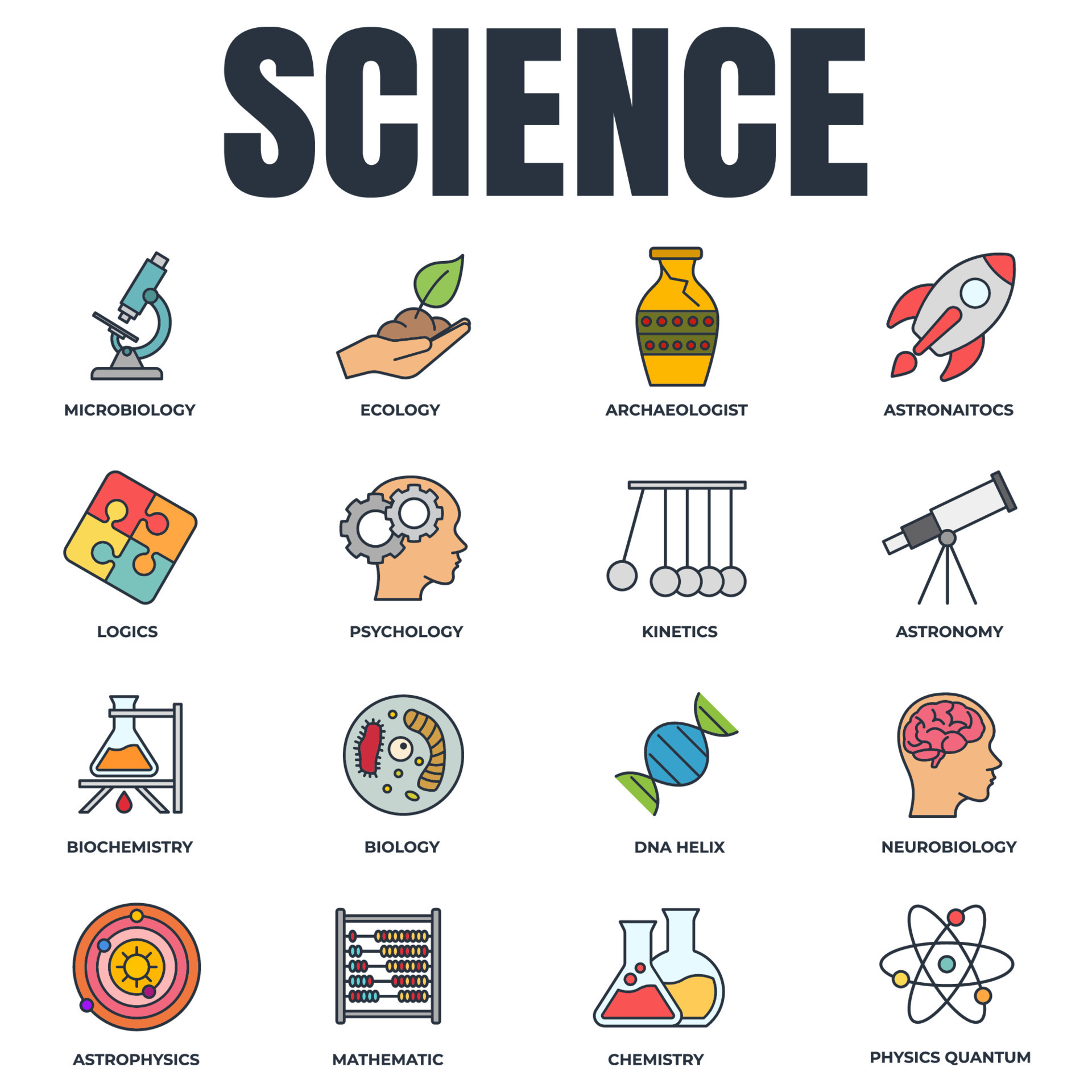
Science Subject Logo
Science: Unveiling The Mysteries Of The Universe

Science: Unveiling the Mysteries of the Universe